
NVIDIA NemoClaw
NVIDIA NemoClaw
Worried about the security risks of running autonomous AI agents in production? NVIDIA NemoClaw provides enterprise-grade security and policy controls for always-on AI assistants. With 12,000+ stars on GitHub, it’s a popular open-source solution from NVIDIA. The diagram below shows the main path.
I am looking at NVIDIA NemoClaw as an engineering system. I care about where work moves, where state is saved, and what happens when one part fails.
System overview
The names change from project to project. The design questions do not. The diagram keeps the main path small so the handoffs are easy to see.
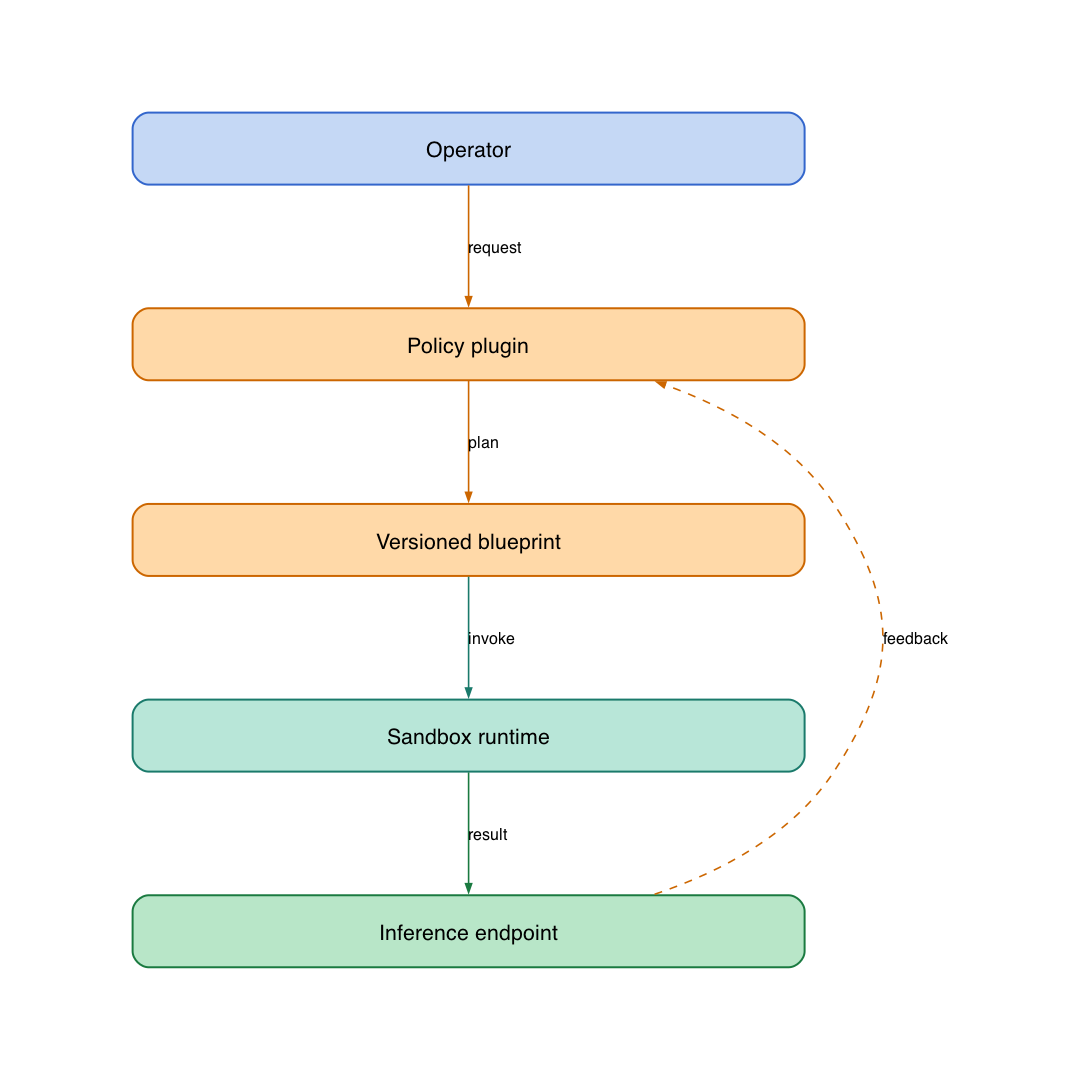
Main components
- Sandboxed execution isolates AI agents with zero-trust security.
- Inference routing redirects model calls to controlled providers.
- Declarative network policies require operator approval for new connections.
- Versioned blueprints ensure reproducible and tamper-proof deployments.
Design questions
Before using a system like this with a real team, I would ask:
- Where is state saved? What happens after a restart?
- Which calls are safe to retry? Which ones need an idempotency key or a workflow record?
- What can the agent access? Keep user input, generated code, services, and local credentials in separate trust boundaries.
- How does an operator see a failure instead of finding it later inside a queue or background worker?
The happy path is easy to draw. The hard part is restart, retry, and partial failure.
When it is useful
Use this kind of system when the work repeats and someone needs to inspect what happened. For a one-off task, it may be more machinery than you need.
Source
The project is open source on GitHub. I expanded the original project summary into an engineering note for the Ming Dao School library.